The Constitution of India is not merely a legal text—it is the living moral compass of our republic. Explore how constitutional literacy empowers citizens, safeguards fundamental rights under Articles 14–32, and anchors civic duty under Article 51A.
The Constitution of India is not merely an archival legal document locked in legislative chambers; it is the living soul of our democracy and the supreme guardian of every citizen’s dignity. Yet, for millions across rural communities and semi-urban towns, constitutional rights remain an abstract mystery, and civic duties are rarely understood beyond voting day. Developing grassroots constitutional literacy is the foundational prerequisite for true equality, social justice, and an empowered, fearless citizenry.
-
Democratic Soul: The world’s most comprehensive written constitution guarantees enforceable human rights and moral duties to 1.4+ billion people. -
The Literacy Deficit: Less than 20% of rural citizens possess actionable knowledge of their fundamental rights or constitutional remedies (NALSA). -
Rights & Duties Harmony: Sustainable democracy demands balancing inalienable protections (Part III) with civic responsibility (Article 51A). -
Grassroots Legal Clinics: Shail-Satya Foundation translates dense legal codes into village workshops, youth mock parliaments, and library study centers.
The Foundation of Our Republic: Why Civic Literacy Matters
India’s Constitution was crafted through nearly three years of impassioned debate by the Constituent Assembly, harmonizing unprecedented cultural, linguistic, and socio-economic diversity into a unified sovereign republic. Yet a constitution is only as strong as the civic consciousness of its people. When citizens understand the constitutional framework, they cease being passive subjects and become active guardians of justice and public accountability.
Constitution is not a mere lawyers’ document, it is a vehicle of Life, and its spirit is always the spirit of Age. However good a Constitution may be, if those who are implementing it are not good, it will prove to be bad.
— Dr. B.R. Ambedkar, Chief Architect of the Constitution of India

The Four Moral Pillars of the Indian Preamble
The Preamble serves as the philosophical prelude and guiding compass of the Indian Constitution, declaring the enduring commitments of our democratic union:
Upholding the rule of law so the vulnerable, marginalized, and historical victims of prejudice are protected against exploitation and systemic bias.
Safeguarding every citizen’s inviolable freedom to speak, inquire, innovate, criticize constructively, and practice faith without fear.
Dismantling institutional hierarchy and caste discrimination, ensuring equal protection of the law and access to public education and employment.
Cultivating mutual brotherhood and cross-cultural empathy, ensuring the integrity of the nation transcends narrow regional, religious, or caste divisions.
Passive / Uninformed Citizen vs. Active Constitutional Citizen
Contrast how constitutional illiteracy leaves individuals vulnerable compared to how civic knowledge empowers proactive democratic participation:
Passive / Uninformed Citizen
- Remains unaware of legal rights, easily intimidated by bureaucratic corruption.
- Treats voting as a mere transactional event, disengaging from governance.
- Ignores public property, neglects environmental duties, and disregards civic law.
- Highly susceptible to algorithmic hate speech, fake news, and polarization.
- Assumes social change is solely the responsibility of political authorities.
Active Constitutional Citizen
- Understands fundamental protections and confidently asserts Article 32 remedies.
- Holds public offices accountable through peaceful inquiry, RTI, and gram sabhas.
- Actively practices Article 51A duties: protecting forests, wildlife, and public assets.
- Develops critical scientific temper, rejecting superstition and communal prejudice.
- Mentors youth, defends community dignity, and exercises voting as a sacred trust.
Dr. B.R. Ambedkar termed Article 32—the Right to Constitutional Remedies—as the “very soul and heart of the Constitution.” A right without an accessible judicial remedy is an empty promise. Constitutional morality demands that citizens and state institutions uphold institutional checks, reject extra-constitutional shortcuts, and actively protect the fundamental rights of every individual, regardless of popularity or majority consensus.
Fundamental Rights in Daily Life: Part III in Action
The six core Fundamental Rights guaranteed under the Constitution are practical, daily shields against oppression, arbitrary authority, and injustice:
- Right to Equality (Articles 14–18): Guarantees equality before the law, equal protection under the law, and strictly prohibits discrimination on grounds of religion, race, caste, sex, or birthplace. Abolishes untouchability and royal titles.
- Right to Freedom (Articles 19–22): Protects speech, peaceful assembly, freedom of movement, and professional pursuit. Crucially, Article 21 guarantees the Right to Life and Personal Liberty, expanded by the Supreme Court to include clean air, privacy, and shelter.
- Right to Education (Article 21A): Mandates free and compulsory foundational education for all children between the ages of 6 and 14 as an enforceable fundamental right.
- Right against Exploitation (Articles 23–24): Strictly bans human trafficking, forced bonded labor (begar), and the hazardous employment of children under 14 in factories or mines.
- Right to Freedom of Religion (Articles 25–28): Affirms complete freedom of conscience and the individual right to freely profess, practice, and propagate any religion or none at all.
- Right to Constitutional Remedies (Article 32 & 226): Empowers any citizen whose fundamental rights are infringed to petition the Supreme Court (Article 32) or High Courts (Article 226) for writs of Habeas Corpus, Mandamus, Prohibition, Quo Warranto, and Certiorari.
Actionable Steps: How Citizens Can Build an Empowered Democracy
Civic literacy begins with intentional personal practice and community dissemination:
- Read and Reflect on the Preamble Weekly: Display the Preamble in homes, schools, and workplaces. Treat its core promises as an objective benchmark for personal conduct and public policy.
- Master Legal Self-Defense Tools: Familiarize yourself with the Right to Information (RTI) Act, basic police arrest protocols (D.K. Basu guidelines), and consumer rights forums.
- Promote Fundamental Duties (Article 51A): Champion environmental stewardship, defend public property from vandalism, and foster rational, scientific inquiry among children.
- Join SSF Civic Literacy Drives: Volunteer at community libraries to lead Constitution Day reading circles, youth mock youth parliaments, and legal literacy workshops.
Shail-Satya Foundation’s Grassroots Civic Literacy Initiatives
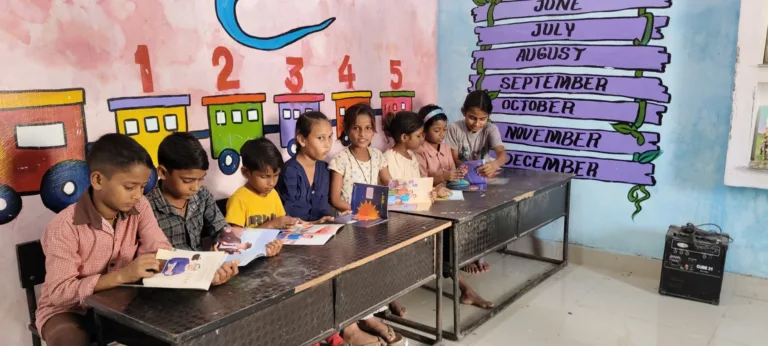
At Shail-Satya Foundation (SSF), under our Kartavya civic stewardship vertical, we are bridging the critical gap between constitutional text and village reality. Across rural Uttar Pradesh and Bihar, our youth volunteers distribute pocket-sized bilingual booklets explaining fundamental rights and duties in simple vernacular language. Our village community libraries feature dedicated legal literacy corners, empowering rural women, farmers, and first-generation learners to understand their rights, claim government welfare entitlements, and resolve local disputes peacefully.
What is the difference between Article 32 and Article 226?
Under Article 32, a citizen can approach the Supreme Court directly for the enforcement of Fundamental Rights only. Article 226 empowers High Courts to issue writs for both Fundamental Rights and other legal rights, giving High Courts a broader jurisdictional scope.
Are Fundamental Duties legally enforceable in court?
Fundamental Duties under Article 51A are moral obligations and are not directly enforceable by writs. However, parliament has enacted specific laws (such as the Prevention of Insults to National Honour Act and Wildlife Protection Act) that make violations of key civic duties legally punishable.
Why is November 26 celebrated as Constitution Day (Samvidhan Diwas)?
On November 26, 1949, the Constituent Assembly of India formally adopted the Constitution, which subsequently came into full effect on January 26, 1950 (Republic Day). Constitution Day honors the founding architects and reaffirms our commitment to constitutional values.
Can a citizen approach the courts if denied free education under Article 21A?
Yes. The Right to Free and Compulsory Education for children between 6 and 14 years is an enforceable Fundamental Right under Article 21A, operationalized by the RTE Act 2009. Denial of admission in neighborhood government schools can be challenged legally.
How can college students volunteer with SSF’s legal awareness campaigns?
Students and young professionals can join SSF as civic interns and youth ambassadors. Volunteers lead Constitution Day sessions, simplify legal guides for villagers, and conduct mock parliament debates in rural community libraries.
Constitutional & Legal References
- Ministry of Law and Justice, Government of India: The Constitution of India (Official English & Vernacular Text).
- Supreme Court of India: Landmark Judgments on Fundamental Rights, Article 21 Expansion, and Basic Structure Doctrine.
- National Legal Services Authority (NALSA): Legal Services and Grassroots Legal Awareness Framework.
- Constituent Assembly Debates (CAD): Official Records of Debates on the Drafting of the Indian Constitution (1946–1949).