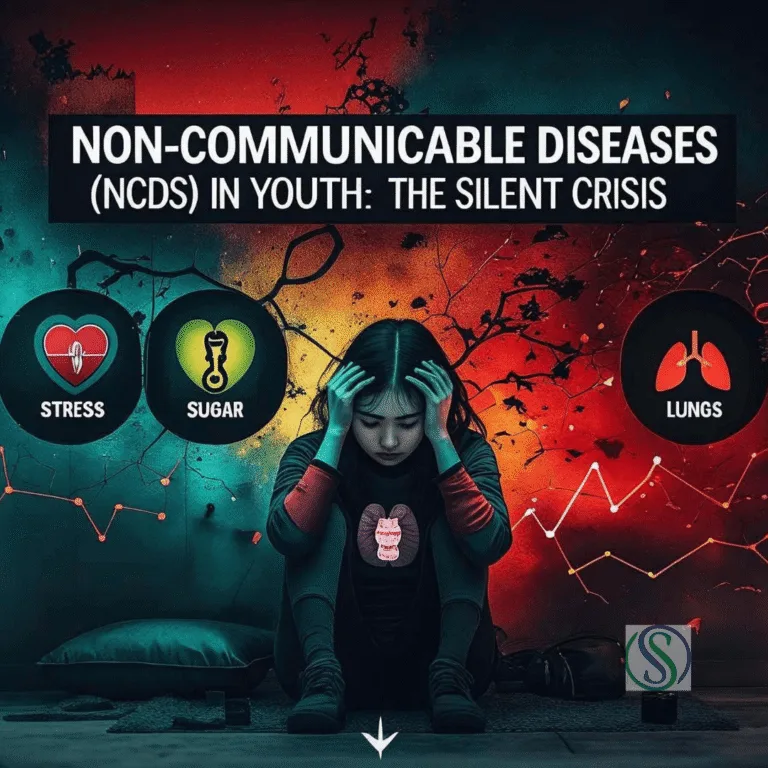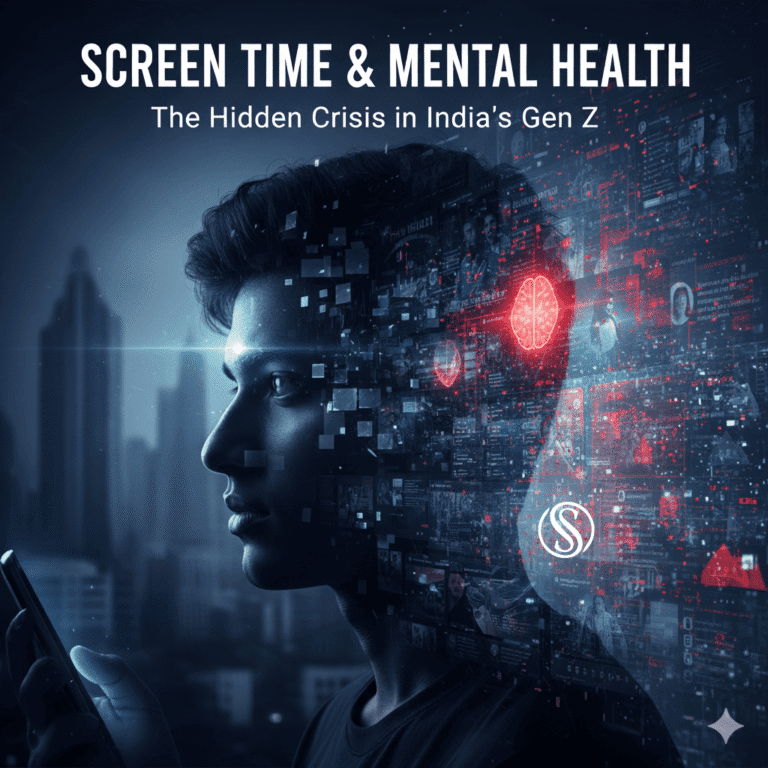
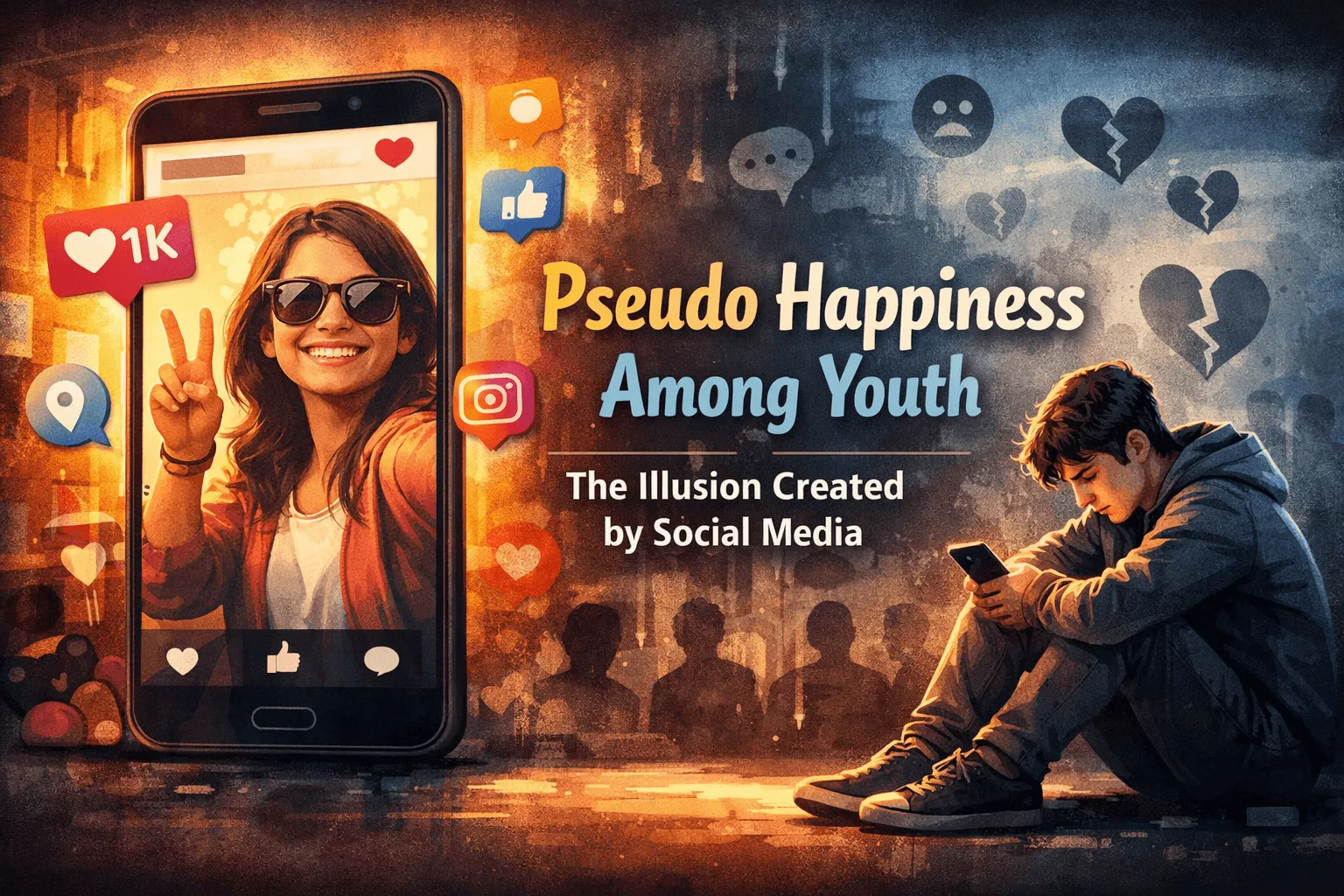
In an era of curated feeds, pseudo happiness among youth has become a silent epidemic. While digital profiles glow with success, many young hearts feel a growing void. We explore the psychological shift from "connected" to "lonely" and how we can help the next generation reclaim their authentic joy through the "Universe of Imagination" found in books.
The Hidden Cost of Likes: Unmasking Pseudo Happiness Among Youth
Have you ever spent an hour scrolling through perfectly curated feeds, only to put your phone down feeling strangely empty? On the surface, digital feeds are filled with vibrant moments—sharing personal milestones, celebrating small wins, or capturing a seemingly perfect day. We see a digital sea of smiles, yet behind the glowing screens, a silent struggle grows. This phenomenon is known as pseudo happiness among youth, a digital illusion that trades genuine well-being for social validation.
Key Highlights at a Glance
- The Digital Facade: High engagement and smiling selfies frequently mask underlying loneliness and emotional exhaustion.
- The Dopamine Loop: Notifications and likes create short-lived neurochemical highs rather than lasting emotional fulfillment.
- The Antidote: Real happiness thrives in screen-free spaces, offline conversations, and the universe of imagination found in books.
We are the first generation to live two lives simultaneously: one that is felt and one that is seen.
Understanding Pseudo Happiness Among Youth
Pseudo happiness among youth is the psychological act of performing joy for an online audience while experiencing internal emptiness, anxiety, or emotional detachment. It is happiness engineered for the feed rather than experienced by the soul.
In the Indian context, where social standing, academic achievement, and family pride are deeply intertwined, the pressure to project an uninterrupted aura of success online is exceptionally intense.
Today, young people are frequently trapped in a cycle of performative living. An evening family dinner or an outing with friends becomes a quest for the perfect camera angle and flattering lighting rather than meaningful human connection. When external validation arrives as likes, comments, and shares, it triggers a fleeting dopamine surge. However, this transient high can never replace the deep, enduring contentment born of genuine, lived experiences.
The Pressure to Appear “Perfect” Online
Why do young individuals feel this relentless compulsion to appear perpetually joyous and prosperous? Social media algorithms have transformed personal lives into an ongoing 24/7 broadcast where individuals must simultaneously act, direct, and market themselves. For an increasing number of youth, their online profile has eclipsed their real identity.
- The Validation Trap: Conditioning the brain to equate notification counts with intrinsic self-worth and social acceptance.
- Fear of Missing Out (FOMO): Constant exposure to peers’ curated highlight reels creates a distorted narrative that everyone else is living a superior, effortless life.
- Cultural Pressures: Traditional expectations to excel academically and socially now extend into digital perfectionism—demanding modern, stylish, and envy-inducing lifestyles.
The Psychological Impact of Digital Comparison
The chasm between an individual’s unvarnished reality and their curated digital avatar creates severe psychological friction. As the ancient proverb notes, constant comparison is the ultimate thief of joy. When teenagers compare their messy, authentic “behind-the-scenes” life with another creator’s polished “highlight reel,” feelings of inadequacy, self-doubt, and body dysmorphia inevitably arise.
Extensive clinical research demonstrates that excessive screen time directly correlates with escalating rates of juvenile anxiety, chronic insomnia, and depression. The supreme irony of the digital age is that our youth are connected to thousands of online profiles, yet feel utterly alone during moments of personal crisis. This digital isolation stifles creative imagination and robs young minds of the quiet introspection vital for emotional maturity.
Real Happiness vs. Performative Happiness
Restoring mental clarity requires learning to distinguish between what is authentically felt and what is merely exhibited for digital applause:
Performative Happiness
- Curated & Loud: Engineered specifically to elicit reactions, likes, and envy from an audience.
- Transient Dopamine: Yields brief, addictive highs followed by lingering emotional emptiness.
- Exhausting: Demands relentless maintenance of a flawless image and instant responsiveness.
Authentic Happiness
- Private & Grounded: Found in shared laughter over a simple meal or quiet moments of self-reflection.
- Enduring Peace: Nourishes the spirit and strengthens authentic relationships with loved ones.
- Liberating: Welcomes imperfection, vulnerability, and the freedom to simply be yourself.
Our grassroots campaign, Dosti Kitabon Se, is designed specifically to champion this paradigm shift. By encouraging children to discover joy in the boundless “Universe of Imagination” offered by books, we empower them to step away from the addictive “Universe of Validation” on mobile screens. Our mission is to replace vacant scrolling with pages of possibility and lifelong intellectual curiosity.
Mental Health and Identity Formation
Adolescence and early adulthood represent vital developmental stages during which identity is forged. When this sacred process takes place primarily in digital arenas, identity becomes precariously fragile. If a young person’s self-esteem is anchored to fleeting social media trends and algorithm whims, they struggle to discover their core values and true purpose.
Mental well-being is a fundamental human right, not a luxury. We must foster environments in our homes, schools, and communities where youth feel completely safe to express sadness, boredom, confusion, and failure. Without the societal permission to be “not okay,” the exhausting mask of pseudo happiness only grows heavier with time.
Practical Solutions for a Balanced Life
Dismantling the cycle of pseudo happiness and reclaiming authentic joy requires collaborative action across every sphere of life:
Digital Detox: Institute phone-free hours, particularly 60 minutes before bedtime.
Authentic Living: Focus on activities that bring genuine enjoyment rather than “content value.”
Nurture Hobbies: Cultivate tactile passions like reading, sports, and hands-on creativity.
Model Healthy Habits: Children mirror adult phone usage; embody mindful offline engagement.
Encourage Offline Play: Foster environments where imagination thrives without screens or Wi-Fi.
Transparent Dialogue: Discuss the vast difference between curated digital snapshots and real life.
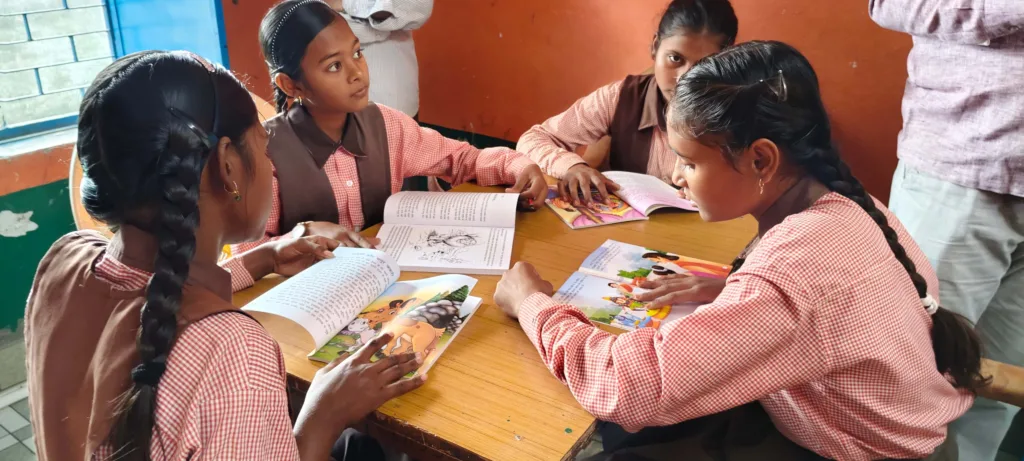
We must scale grassroots youth workshops on emotional health, digital literacy, and constitutional awareness. Building well-equipped community libraries in rural villages and urban settlements provides children with vibrant, screen-free sanctuaries to learn, imagine, and connect.
The Path Forward: Choosing Reality
The goal is not to demonize digital tools, but to master them. Technology must serve our human potential rather than enslave our attention. By openly acknowledging the reality of pseudo happiness among youth, we take the crucial first step toward reclaiming our authentic selves, our mental peace, and our capacity for genuine joy.
At Shail-Satya Foundation (SSF), we believe that empowered, emotionally resilient citizens build a stronger, healthier nation. True empowerment begins with honesty—the honesty of our feelings, our rights, and our dreams. Let us unite to help the next generation spread their wings, firmly rooted in the beauty and reality of their own authentic lives.
Key Takeaways for Digital Well-Being
- Disconnect to Reconnect: Real self-worth is never measured in algorithmic likes or follower counts. Set daily screen-free boundaries.
- Choose Real Experiences Over Content: Prioritize books, sports, and offline conversations where fulfillment is experienced rather than broadcast.
- Honor Emotional Vulnerability: It is healthy and normal to have difficult days. Give yourself permission to feel without hiding behind digital filters.
- Support Screen-Free Learning Spaces: Help build rural libraries through SSF’s “Dosti Kitabon Se” campaign to nurture the next generation’s imagination.
Frequently Asked Questions (FAQ)
Practical answers to help families and young people navigate digital pressure and cultivate genuine joy.
What are the warning signs of pseudo happiness in teenagers?
Common signs include obsessive photo filtering, severe anxiety or distress when a post underperforms, compulsive checking of notification counts, and a marked contrast between a cheerful online persona and a withdrawn, irritable mood at home.
How can parents help youth reduce screen addiction and comparison?
Introduce screen-free zones in the home, model mindful phone usage, and cultivate offline hobbies. Introducing reading through initiatives like “Dosti Kitabon Se” and visiting local community libraries provides an engaging, screen-free avenue for young minds.
Is social media entirely harmful for adolescent mental health?
Not inherently. When used mindfully, social platforms can facilitate learning, creative expression, and positive community building. Harm arises when screen time replaces real-world connections, sleep, and physical activity, or fosters compulsive social comparison.
How can I support Shail-Satya Foundation’s youth mental health initiatives?
You can make a lasting difference with a small monthly contribution of just ₹251 to help us establish 25 community libraries by 2026. Every library provides safe, screen-free learning havens for rural youth. Visit our Dosti Kitabon Se Campaign to get involved.