



Have you ever spent an hour scrolling through perfectly curated feeds, only to put your phone down feeling strangely empty? On the surface, digital feeds are filled with vibrant moments—sharing personal milestones, celebrating small wins, or capturing a seemingly perfect day. We see a digital sea of smiles, yet behind the glowing screens, a silent struggle grows. This phenomenon is known as pseudo happiness among youth, a digital illusion that trades genuine well-being for social validation.
We are the first generation to live two lives simultaneously: one that is felt and one that is seen.
To address this, we must first define the term. Pseudo happiness among youth is the act of performing joy for an audience while feeling disconnected or anxious internally. It is happiness that exists primarily in the “post” rather than the person. In the Indian context, where social standing and family pride are deeply valued, the pressure to maintain a “successful” image online is immense.
Today, youth are often caught in a cycle of performative living. They might spend a family dinner searching for the right camera angle instead of engaging in the conversation. When the validation comes in the form of likes and comments, it provides a temporary dopamine hit. However, this fleeting high is not a substitute for the deep, lasting contentment that comes from real-world experiences.
Why do we feel this relentless need to look happy? Social media has turned our lives into a 24/7 reality show where we are both the actors and the producers. For many young people, their digital profile is their primary identity.
The Validation Trap: We have conditioned our brains to equate digital engagement with self-worth.
Fear of Missing Out (FOMO): Seeing others’ “best moments” creates a false narrative that everyone else is living a better life.
Cultural Expectations: In many Indian households, there is a traditional pressure to excel, which now extends to looking “cool” or “modern” on social platforms.
The gap between our real lives and our digital personas creates a psychological friction. Constant comparison is the thief of joy. When a teenager compares their “behind-the-scenes” reality to someone else’s “highlight reel,” the result is often a deep sense of inadequacy.
Research indicates that excessive screen time is directly linked to rising rates of anxiety and loneliness. We are “connected” to thousands of people, yet many youths report having no one to talk to during a crisis. This irony—being connected but lonely—is the hallmark of the digital age. It stifles imagination and prevents the quiet reflection necessary for emotional growth.
It is vital to distinguish between what is felt and what is shown. Real happiness is often quiet, private, and messy. It is the laughter shared over a burnt meal or the peace found in reading a book. Performative happiness, conversely, is loud, curated, and exhausting.
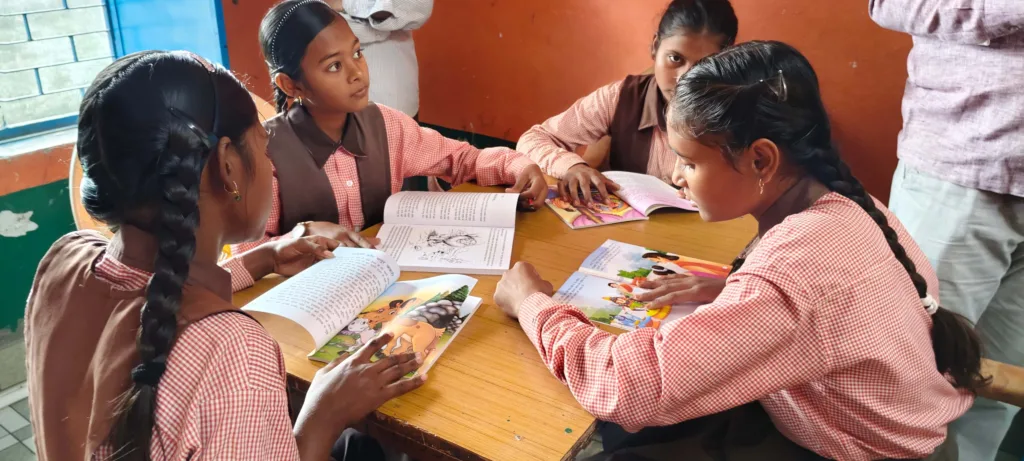
Our campaign, “Dosti Kitabon Se“, aims to shift this focus. By encouraging children to find joy in the “Universe of Imagination” found in books, we help them move away from the “Universe of Validation” found on screens. We want to turn empty hands into pages of possibility, rather than just holders of smartphones.
Adolescence is a critical period for identity formation. When this process happens primarily online, the identity becomes fragile. If a young person’s sense of self is built on the shifting sands of internet trends, they struggle to develop a core sense of who they truly are.
Mental health is a fundamental right, not a privilege. We must create spaces where youth feel safe to express sadness, boredom, and failure. Without the freedom to be “not okay,” the mask of pseudo happiness among youth only grows heavier.
Breaking the cycle of pseudo happiness among youth requires a collective effort from all sections of society.
Digital Detox: Set specific times to stay away from your phone, especially before bed.
Authentic Sharing: Try posting things that are real rather than just “perfect.”
Hobbies Over Content: Engage in activities like reading or sports where the goal is enjoyment, not “content creation.”
Model Healthy Behavior: Children mirror the digital habits of the adults around them.
Encourage Offline Play: Foster environments where imagination can thrive without a Wi-Fi connection.
Open Conversations: Talk about the difference between digital images and reality.
Awareness Campaigns: We need more workshops on constitutional rights and mental well-being to empower citizens.
Community Libraries: Building libraries in remote villages and slums provides an alternative “world” for children to explore.
The goal is not to demonize social media, but to master it. We must ensure that our digital tools serve us, rather than the other way around. By acknowledging the existence of pseudo happiness among youth, we take the first step toward reclaiming our authentic selves.
At Shail-Satya Foundation (SSF), we believe that empowered citizens build a stronger nation. Empowerment starts with the truth—the truth of our feelings, our rights, and our potential. Let us help the next generation let their dreams find wings, grounded in the reality of their own incredible lives.
Have questions? Here’s everything you need to know about our education initiatives.
Common signs include an obsession with photo editing, extreme anxiety when a post doesn’t perform well, and a noticeable difference between their online persona and their actual mood at home.
Encourage alternative activities like reading books through programs like “Dosti Kitabon Se.” Building a small home library or visiting community libraries can help engage their imagination offline.
Not necessarily. It can be a tool for connection and awareness. However, it becomes harmful when it replaces real-world interaction and leads to constant comparison or “pseudo happiness.”
ou can make a big impact with a small donation of just ₹251/month to help us build 25 libraries by 2026.
Visit our campaign page: Donate for Education & Libraries

We are committed to transforming lives through education, healthcare, and empowerment. Our vision is a world where everyone has access to education and healthcare.
Join us and be part of the change!
We are Registered on NGO Darpan
Donate Now-Shail-Satya Foundation